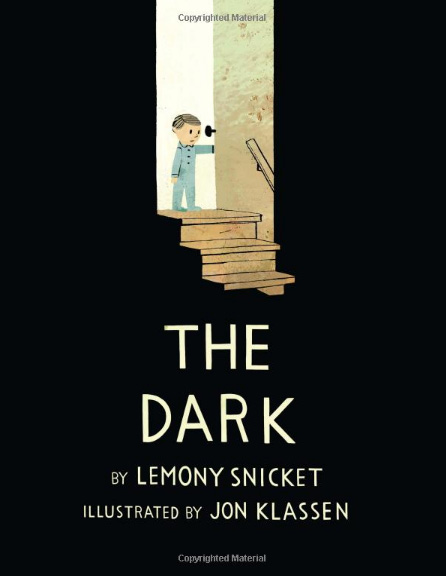

책 내용
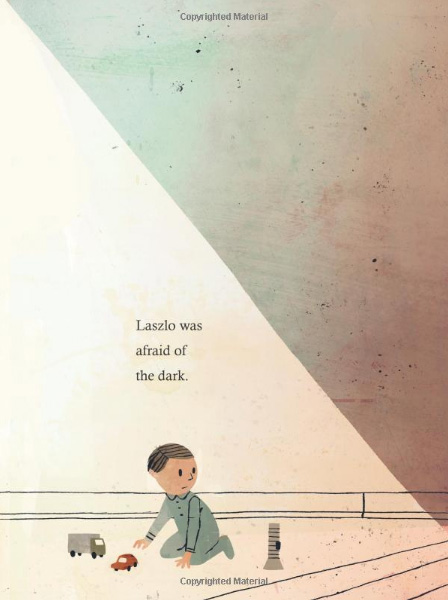
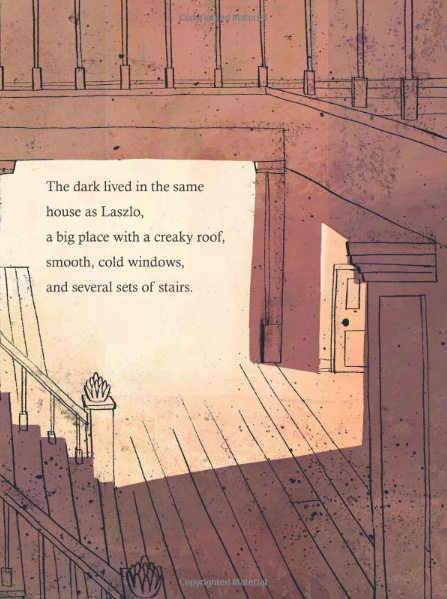
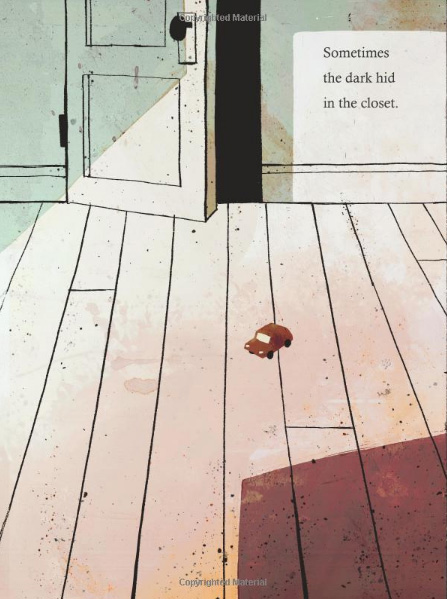
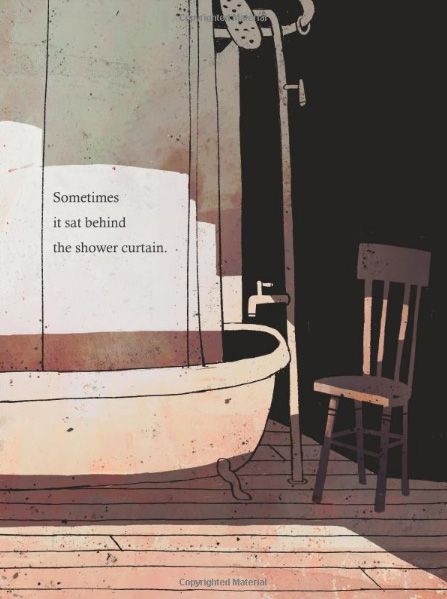
Laszlo is afraid of the dark. The dark lives in the same house as Laszlo. Mostly, though, the dark stays in the basement and doesn"t come into Lazslo"s room. But one night, it does. This is the story of how Laszlo stops being afraid of the dark. With emotional insight and poetic economy, two award-winning talents team up to conquer a universal childhood fear.
출판사 보도자료
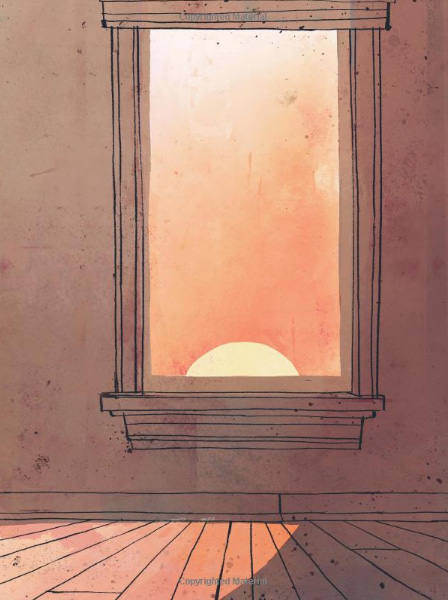
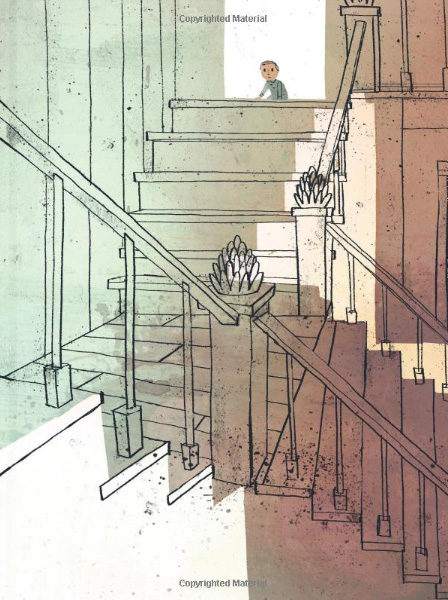
*Starred Review* What if the dark meant more than the absence of light? What if the dark were someone? Laszlo, dressed in blue footie jams, his hair precisely parted, is afraid of the dark. Mostly, the dark lives in the basement, but one night, when his night-light fails, it arrives in Laszlo’s room. The dark leads Laszlo through the rickety house and down to the basement, and bids him to open the bottom drawer of an old dresser, where he finds night-light bulbs. Laszlo is emboldened, peace is restored, and Laszlo and the dark, presumably, live happily ever after. Snicket’s atmospheric narrative personifies the dark with indelible character, its voice as creaky as the roof of the house, and as smooth and cold as the windows. Klassen renders the expansive, ramshackle house in mottled sepia tones, visible in the sharp beam of Laszlo’s flashlight as it interrupts the flat, inky black. Even the dialogue respects the delineation, with Laszlo’s words set in the swaths of light and the dark’s written in the dark. But just as important are the things Klassen omits: rooms are empty of furniture and people. Laszlo feels alone. In its willingness to acknowledge the darkness, and the elegant art of that acknowledgment, The Dark pays profound respect to the immediacy of childhood experiences. HIGH-DEMAND BACKSTORY: Snicket and Klassen? This’ll be huge. Preschool-Grade 2.
일러스트레이터 소개
인스타 : https://www.instagram.com/jonklassen
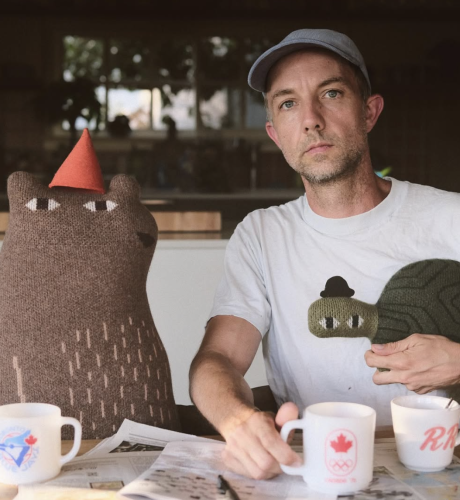
캐나다 출신의 작가이자 일러스트레이터입니다. 그는 직접 쓰고 그린 그림책 세 권을 출간했으며, 다른 작가들의 작품에도 그림을 그렸습니다. 그의 대표작으로는 《내 모자 돌려줘》(I Want My Hat Back), 《이건 내 모자가 아니야》(This Is Not My Hat), 《모자를 찾았어》(We Found A Hat) 등이 있습니다. 그가 그림을 그린 작품 중 가장 유명한 것은 맥 바넷의 《샘과 데이브가 구멍을 파다》(Sam & Dave Dig A Hole), 레모니 스니켓의 《어둠》(The Dark), 그리고 최근작인 맥 바넷의 《늑대, 오리, 그리고 쥐》(The Wolf, The Duck & The Mouse)입니다. 그의 작품들은 칼데콧상 메달과 칼데콧 명예상 두 개를 비롯한 여러 국제적인 상을 수상했습니다. 그는 아내와 아들과 함께 캘리포니아주 로스앤젤레스에 살고 있습니다.