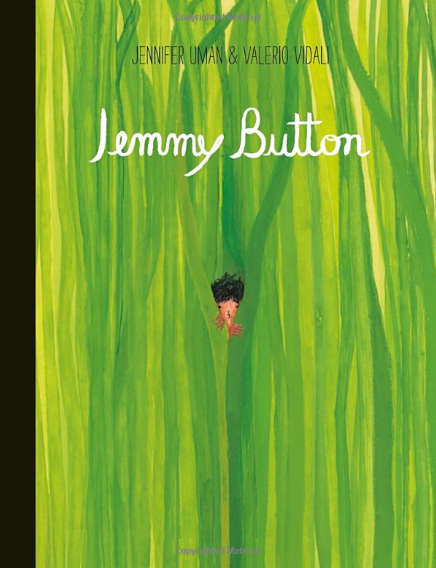

책 내용
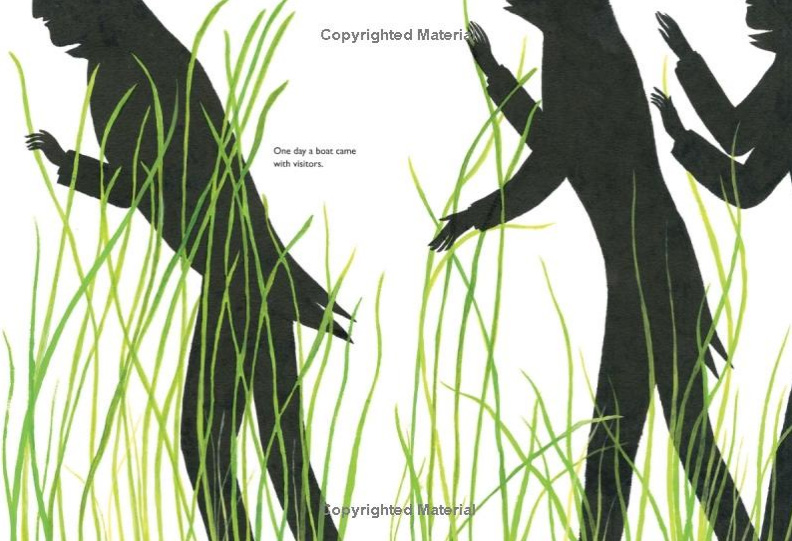
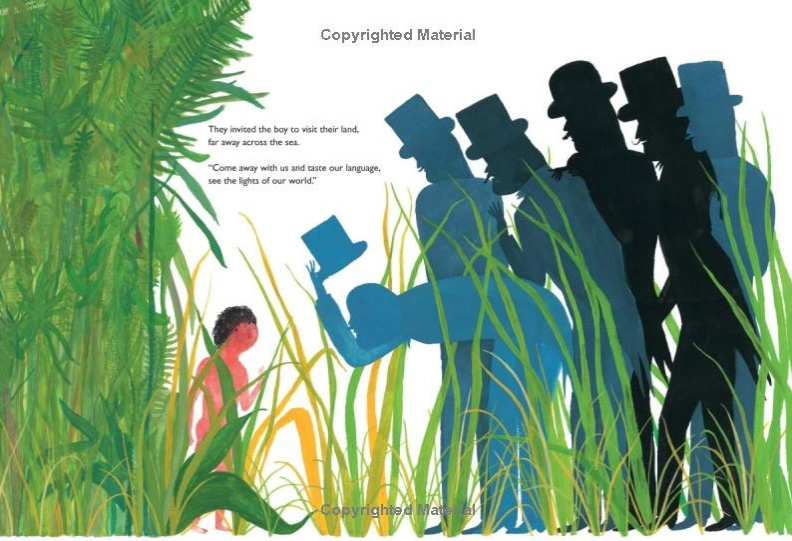
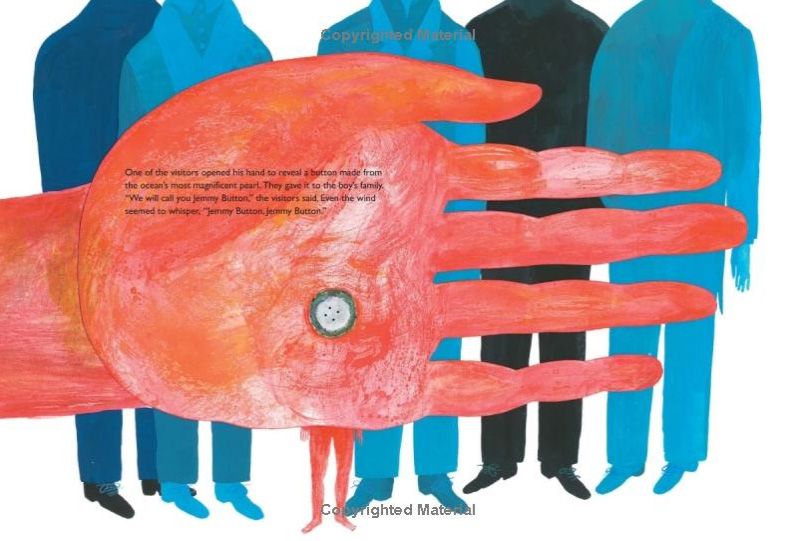
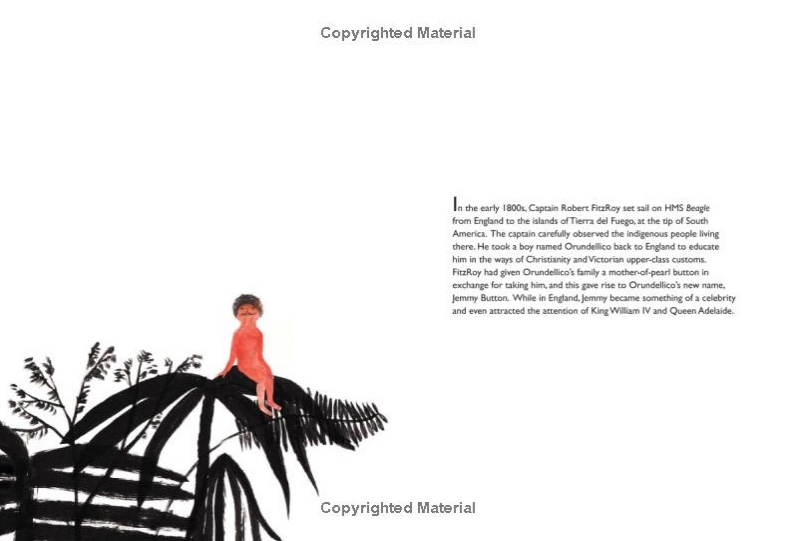
Exchanged for the single mother-of-pearl button that gave him his nickname, an indigenous Tierra del Fuegan boy named Orundellico spent many years in England in the early 1800s as part of a failed experiment in forced civilization. Less a biography than an attempt to represent this alienating experience from Jemmy"s point of view, it is distinguished by lyrical prose-poetry ('Come away with us and taste our language, see the lights of our world,' the British explorers tell Jemmy) and intensely creative and beautifully conceived paintings. On matte pages, Jemmy, a paper-doll figure with red ochre skin and curly black hair, walks naked through throngs of top-hatted and gowned silhouettes, all the same shade of blue. His guardians buy him clothes and take him to concerts, but the paintings show him always set apart from his companions. 'Jemmy felt almost at home. Almost, but not quite.' As a snapshot of colonial betrayal, it evokes regret, longing, guilt, and awe--an assortment of feelings that might make the book more attractive to grownups than to children. - Publishers Weekly
출판사 보도자료
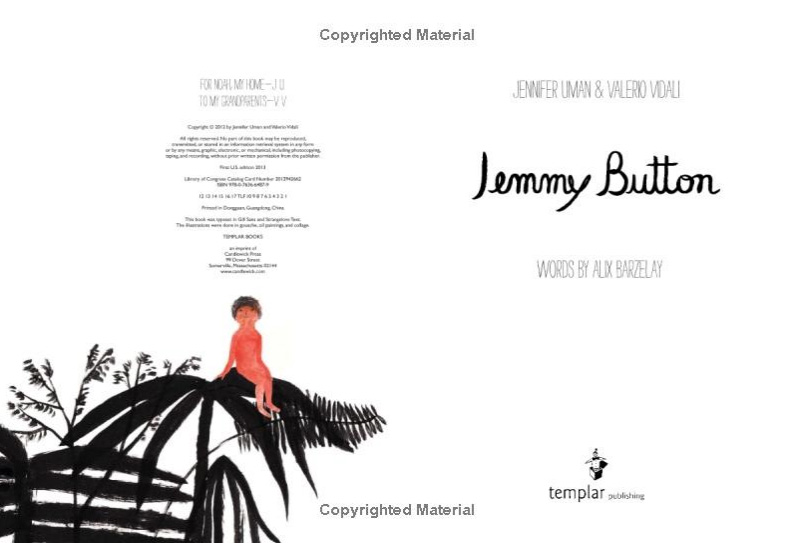
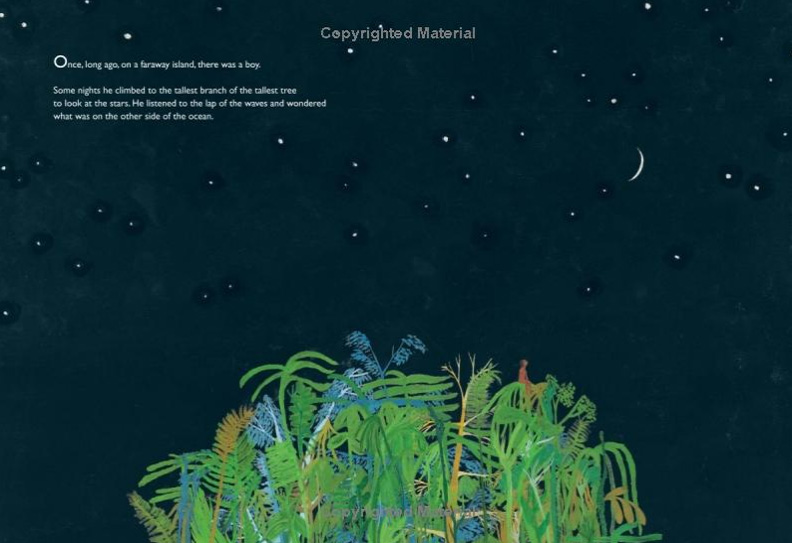
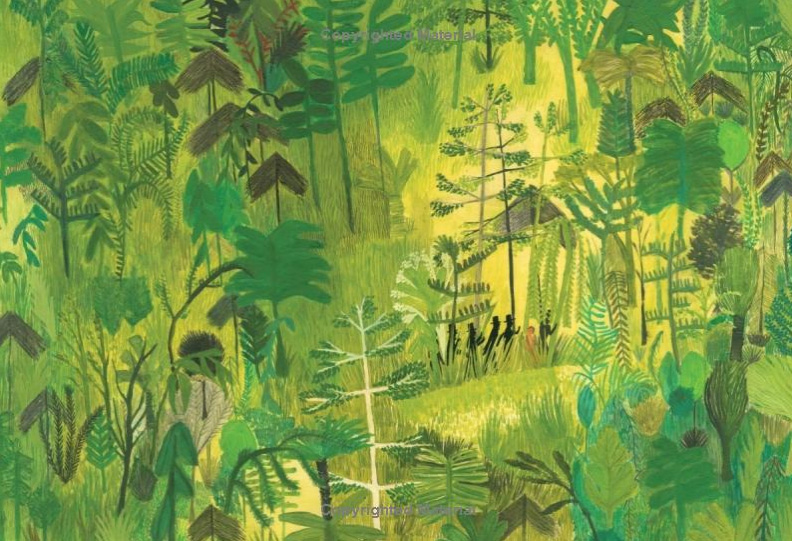
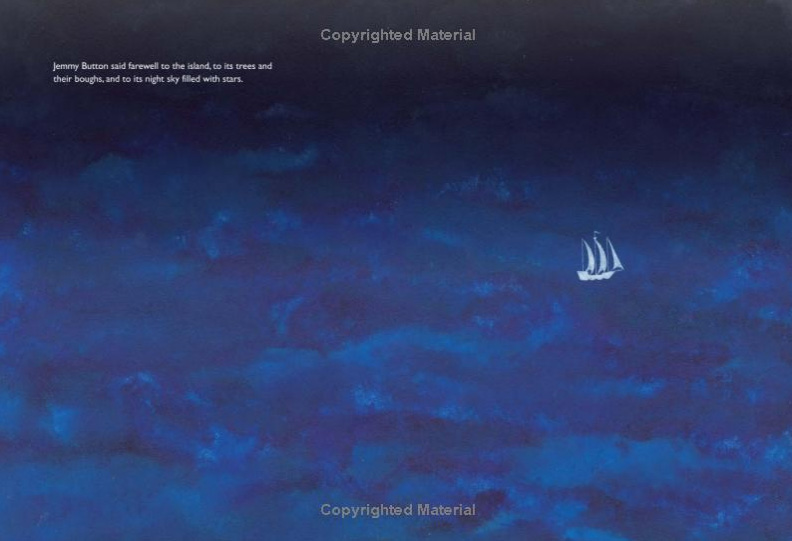
This picture book is based on the true story of Orundellico, a boy from Tierra del Fuego who was taken to Victorian England by a British sea captain. The captain gave the child"s family a mother-of-pearl button in exchange for him, hence his nickname, 'Jemmy Button.' The boy experienced the music, food, and education of England, but realized where he belonged when he returned home. These historical details are related via an endnote, but the story itself wisely focuses on the emotions and sensory experiences of Orundellico"s journey. From the cover where he peeks out through lush greenery, to the vast visions of the night sky over the island, illustrations of Orundellico"s home pop with color. The scenes in England, in contrast, feature muted tones, with people who appear only as silhouettes, emphasizing the boy"s sense of displacement. This treatment brings the story home for young readers and provides an excellent discussion-starter.-Kathleen Kelly MacMillan, Carroll County Public Library, MDα(c) Copyright 2011. Library Journals LLC, a wholly owned subsidiary of Media Source, Inc. No redistribution permitted.