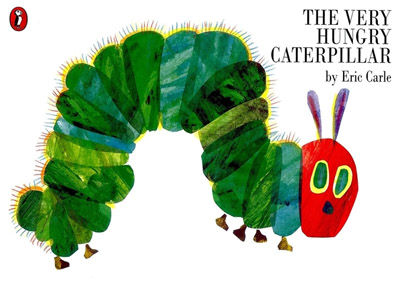

- 그림작가 Eric Carle
- 글작가 Eric Carle
- 출판사 필로멜 북스 (Philomel Books)
- 페이지26 쪽
- 발행일1994-03-23
- 매체내역
책 내용
THE all-time classic picture book, from generation to generation, sold somewhere in the world every 30 seconds! Have you shared it with a child or grandchild in your life? 'The very hungry caterpillar literally eats his way through the pages of the book—and right into your child"s heart...' —Mother"s Manual 'Gorgeously illustrated, brilliantly innovative...' —The New York Times Book Review
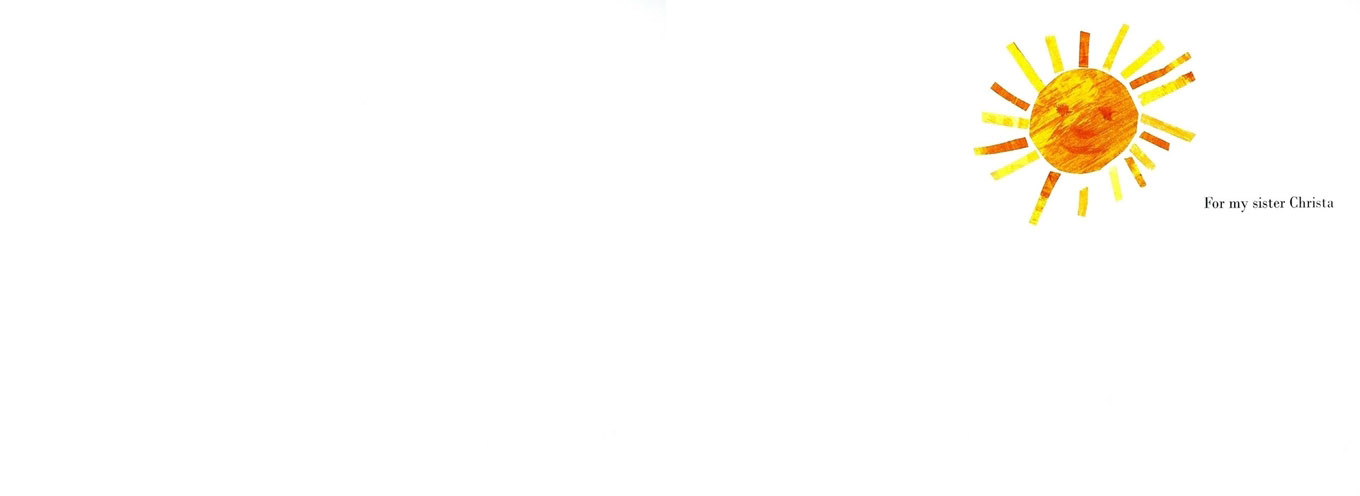
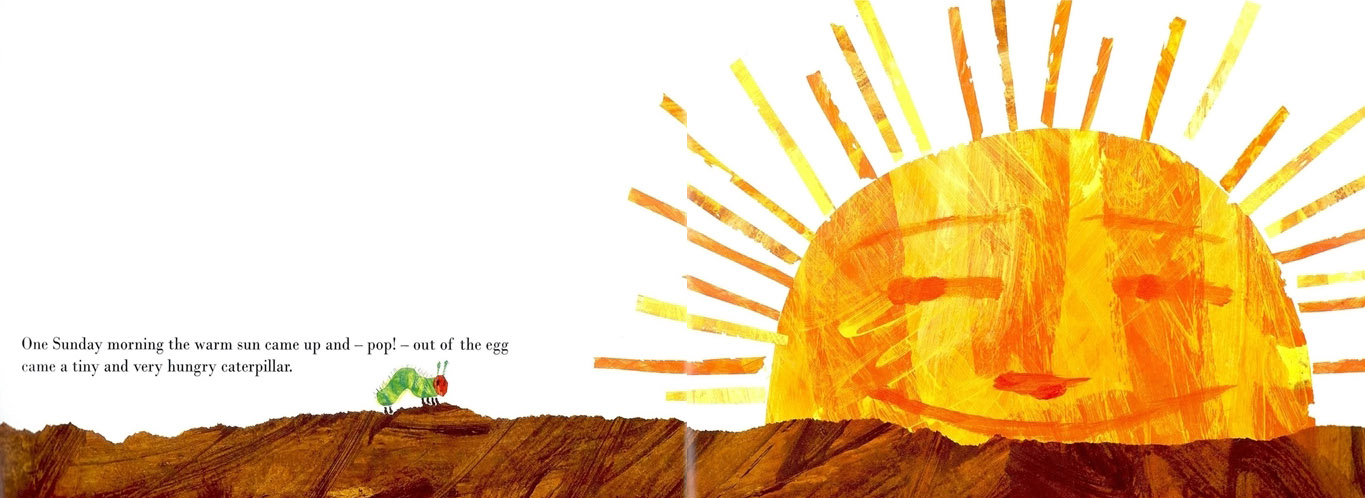
출판사 보도자료
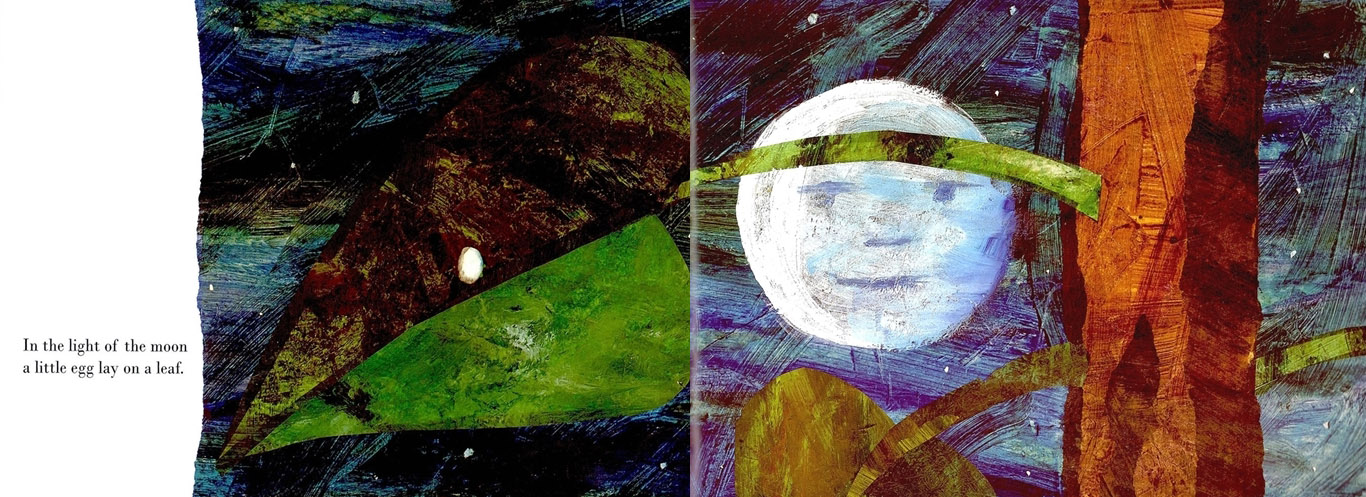
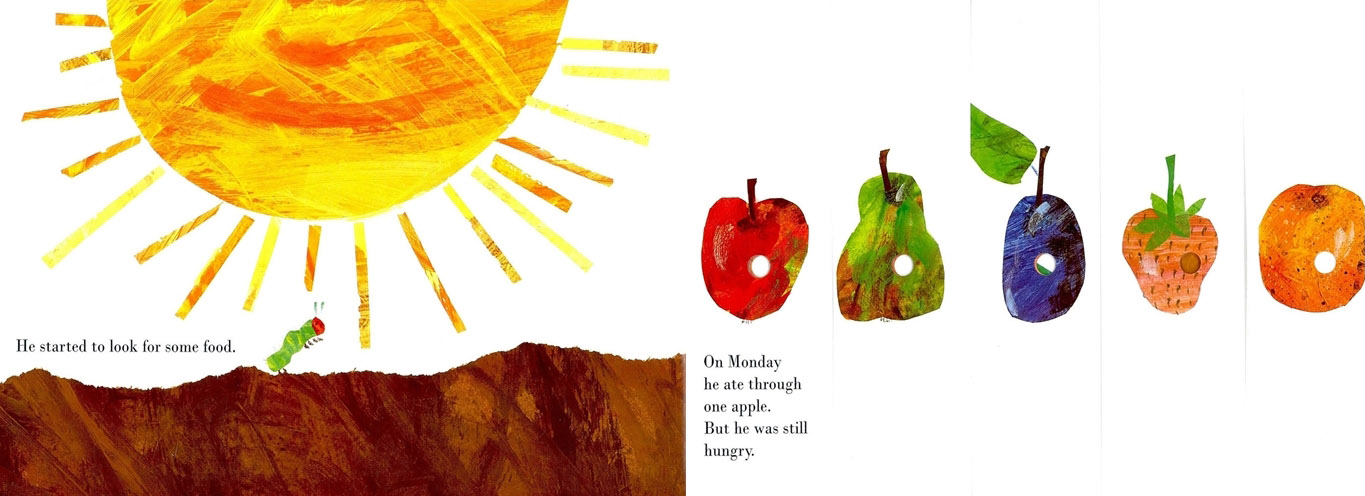
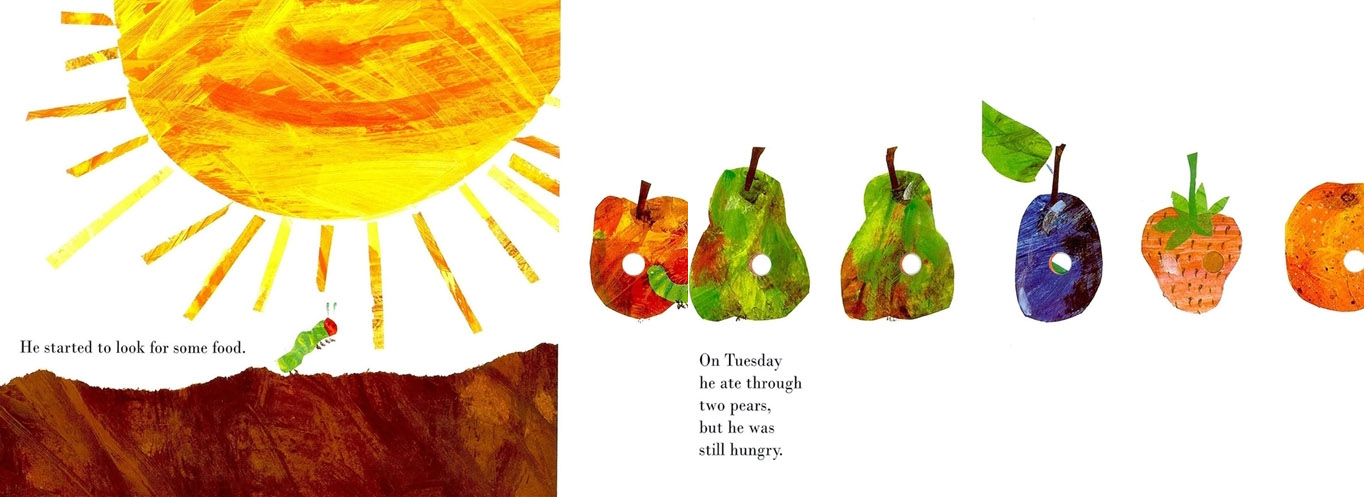
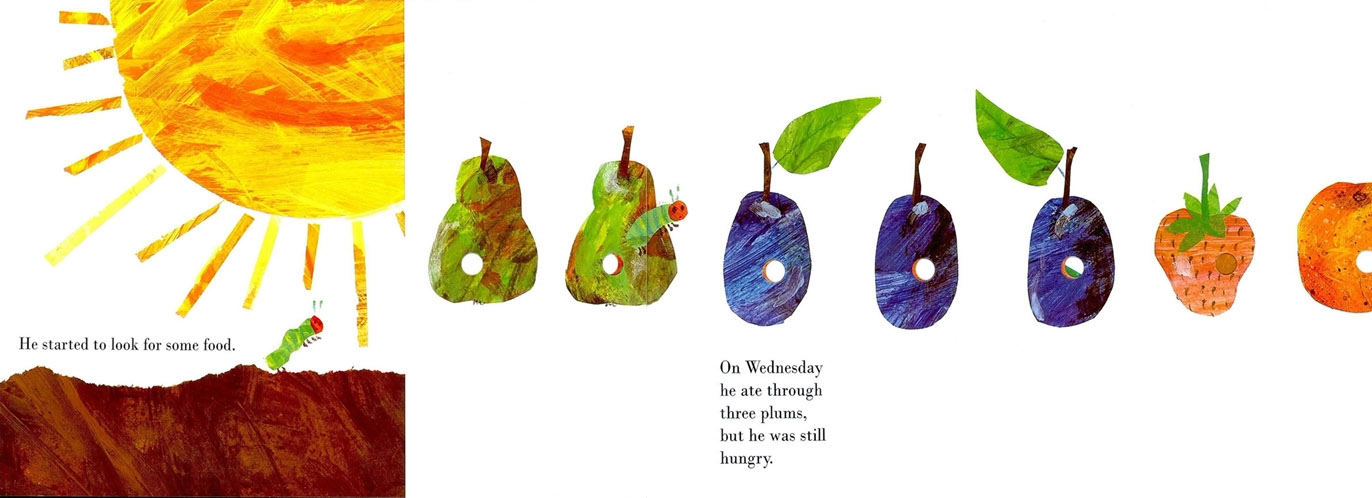
Amazon.com Review 'In the light of the moon a little egg lay on a leaf.' So begins Eric Carle"s modern classic, The Very Hungry Caterpillar. More than 12 million copies of this book have been sold in its original, full-sized edition, and the beloved tale of science and gluttony has been translated into 20 languages. This five-by-four-inch miniature edition is truly tiny, with tiny type, but it is a nice size for small hands to hold and flip through the pictures. Despite its diminished state, the book is complete in every detail, following the ravenous caterpillar"s path as he eats his way through one apple (and the pages of the book itself) on Monday, two pears on Tuesday, three plums on Wednesday, and so on, through cherry pie and sausage--until he is really fat and has a stomachache. And no doubt you know what happens next! Kids love butterfly metamorphosis stories, and this popular favorite teaches counting and the days of the week, too. A fun gift package for caterpillar fans. (Baby to preschool) --Karin Snelson
일러스트레이터 소개
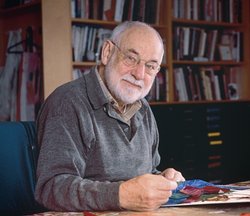
millions of children all over the world and has been translated into more than 62 languages and sold over 38 million copies. Since the Caterpillar was published in 1969, Eric Carle has illustrated more than 70 books, many best sellers, most of which he also wrote.
Carle says: With many of my books I attempt to bridge the gap between the home and school. To me home represents, or should represent; warmth, security, toys, holding hands, being held. School is a strange and new place for a child. Will it be a happy place? There are new people, a teacher, classmates - will they be friendly? I believe the passage from home to school is the second biggest trauma of childhood; the first is, of course, being born. Indeed, in both cases we leave a place of warmth and protection for one that is unknown. The unknown often brings fear with it. In my books I try to counteract this fear, to replace it with a positive message. I believe that children are naturally creative and eager to learn. I want to show them that learning is really both fascinating and fun.
Eric Carle has two grown-up children, a son and a daughter. With his wife Barbara, he divides his time between the Florida Keys and the hills of North Carolina.