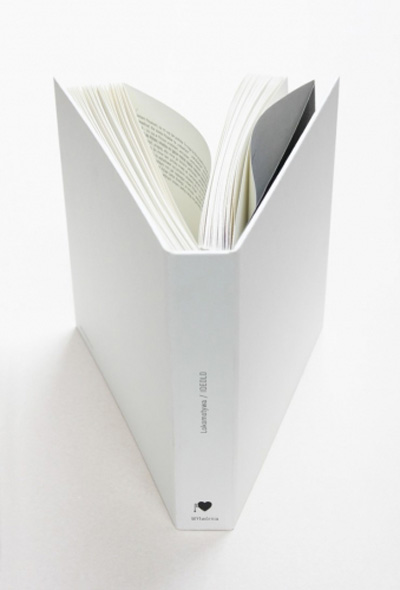
Locomotive / IDEOLO

- 그림작가 마우고자타 구로브스카(Malgorzata Gurowska)
- 글작가 Julian Tuwim
- 출판사 Centrala
- 페이지188 쪽
- 발행일2015-12-01
- 수상내역
책 내용
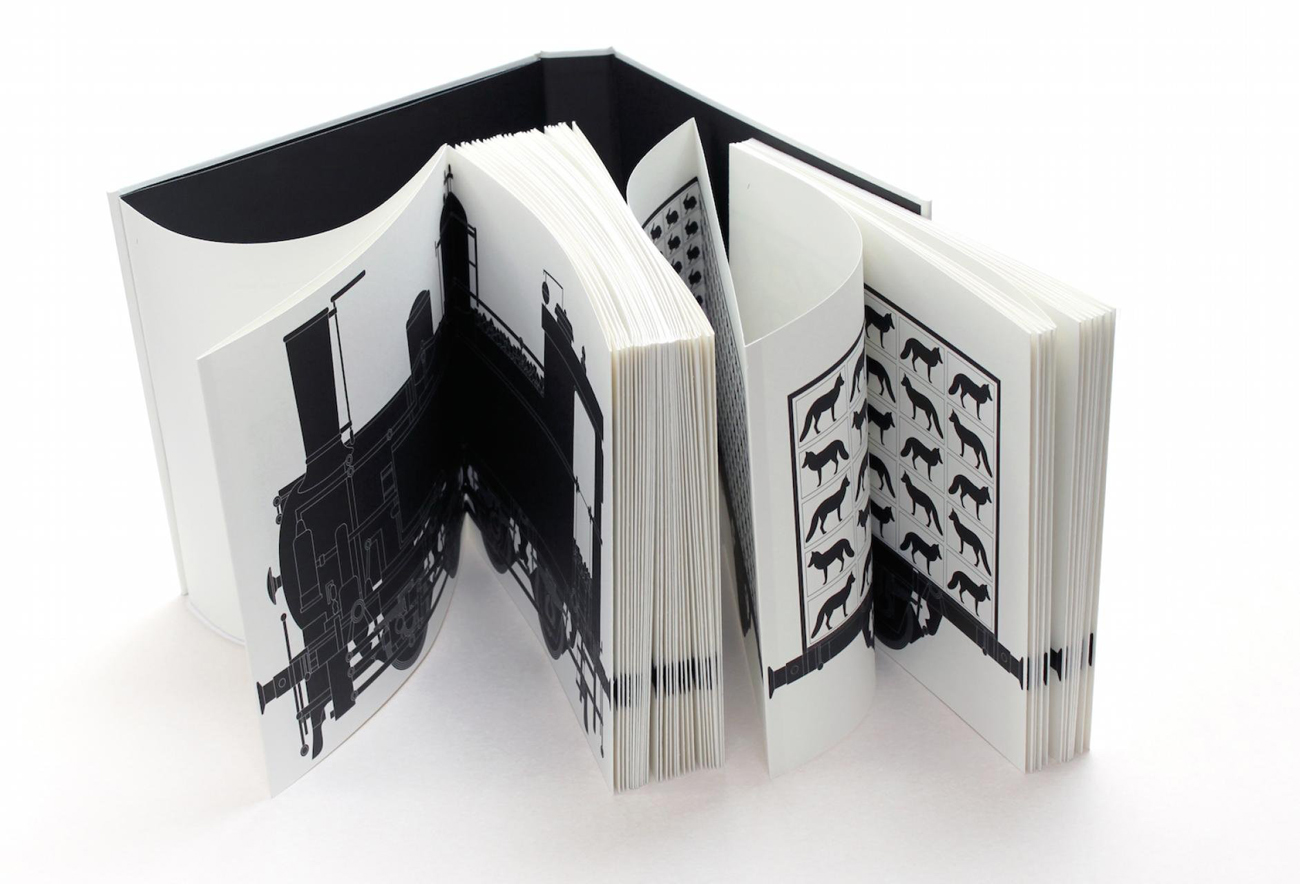
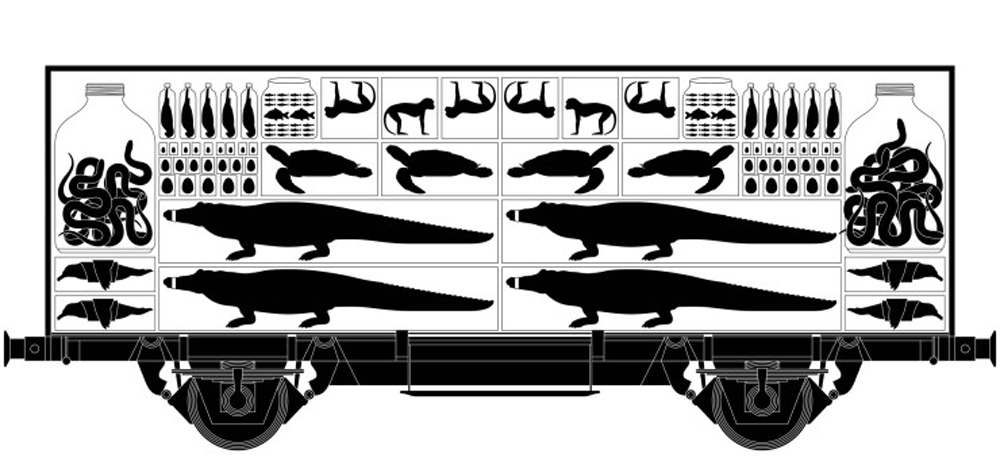
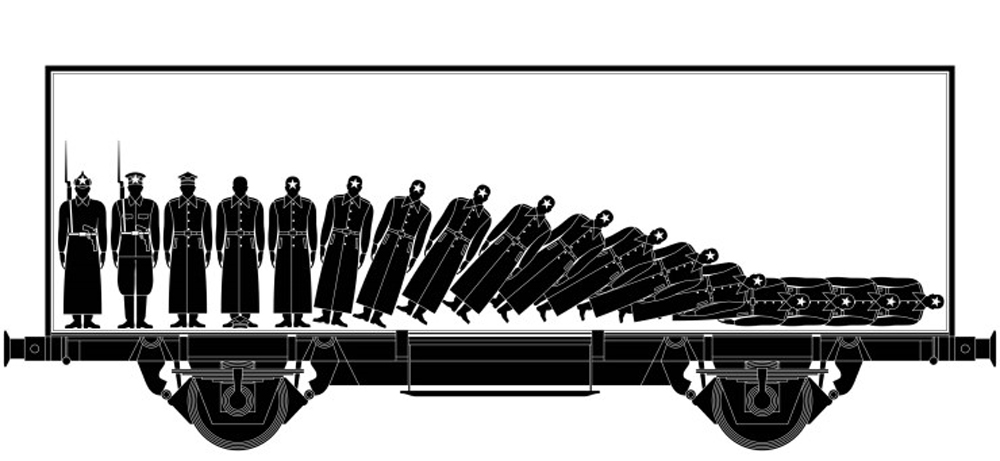
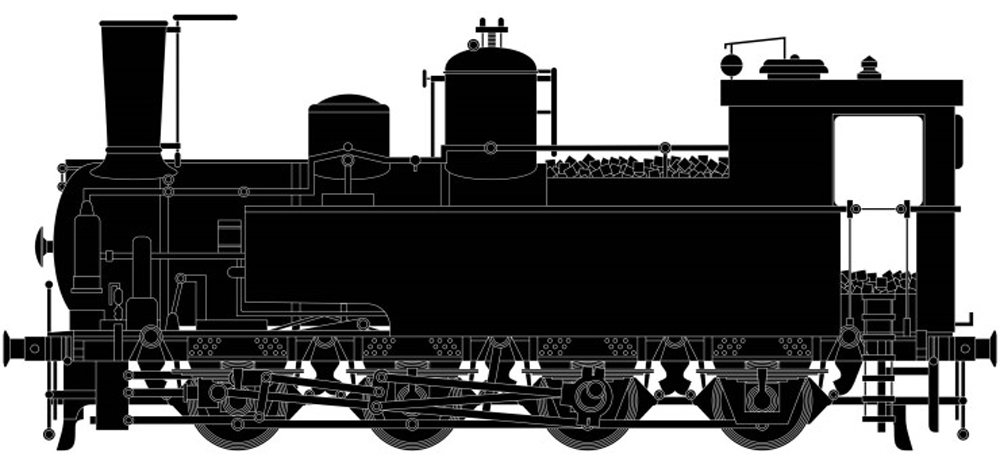
The Locomotive , by Julian Tuwim, is one the most famous Polish poems for children. Designers present its graphic and literary reinterpretation. The authors challenge contemporary questions about nationalism, racism, anti-Semitism, and attitudes towards ecology and animals.
율리안 투빔의〈기관차〉는 폴란드의 유명한 동시다. 작가는 이 문학 작품을 그림으로 재해석했다. 민족주의, 인종주의, 반유대주의, 그리고 생태계와 동물에 대한 태도 등에 질문을 던지고 있다.
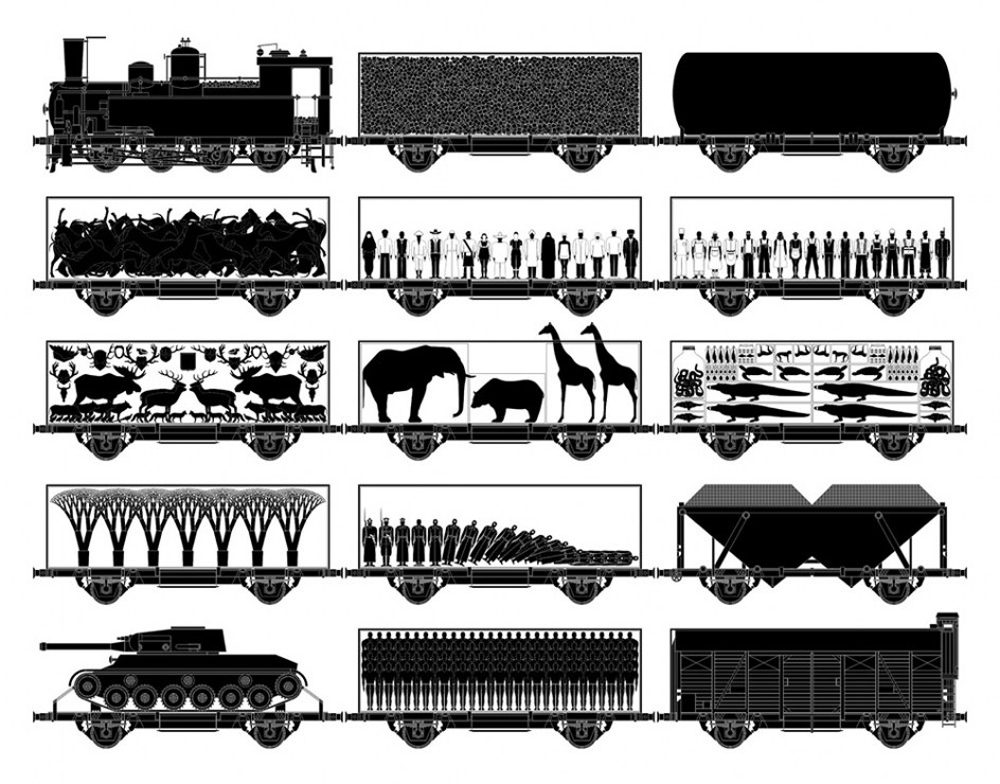
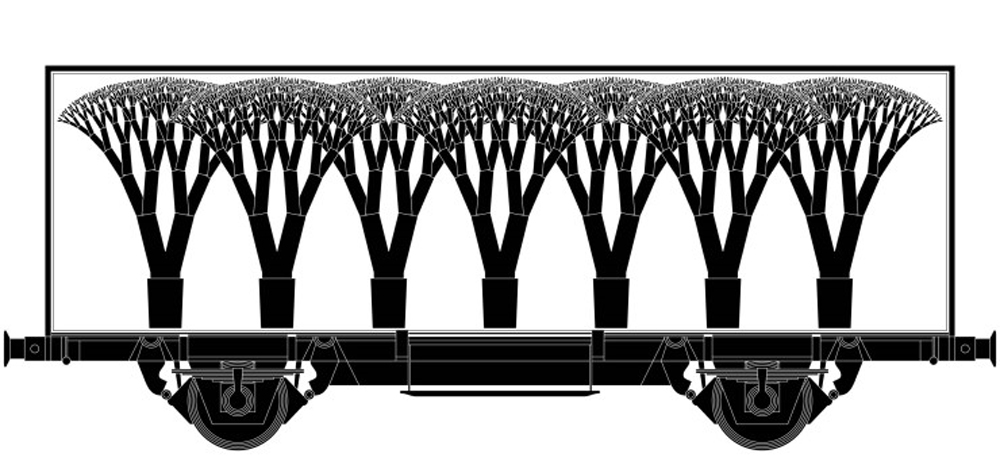
The Locomotive, by Julian Tuwim, is one the most famous Polish poems for children. Designer Małgorzata Gurowska and journalist Joanna Ruszczyk present its graphic and literary reinterpretation for adults. Tuwim’s poem stimulates the imagination with a description of contents in wagons of a train sitting at a station. Although the poet is remembered today primarily as the author of poetry for children, he is also renowned as a satirist who critically described the political-social reality of his time. Gurowska and Ruszczyk, in The Locomotive/IDEOLO, make reference to Tuwim’s social awareness and frequently uncompromising stance, using the text of his poem as a framework for presenting their own position concerning the situation in present-day. In their version, the railway wagons are full of Jews, aggressive football fans, soldiers, gays and lesbians, animals, as well as inanimate objects. It is all accompanied by political commentary, summarizing inequality and social injustice. In this way, the authors challenge not only Polish reality with difficult questions about national identity, racism, anti-Semitism, and attitudes towards ecology and animals.
일러스트레이터 소개

·1977년 생
·2008 볼로냐 라가치상 수상
·2016 바르샤바 그랜드프론트상 수상
·2015 뮈헨 국제청소년도서관 화이트 레이븐 수상
·2015 아테네 ED 유럽 디자인 어워드 금상
·2013 타이페이 국제 디지털콘텐츠 어워드 수상
·2008 볼로냐 라가치상 수상