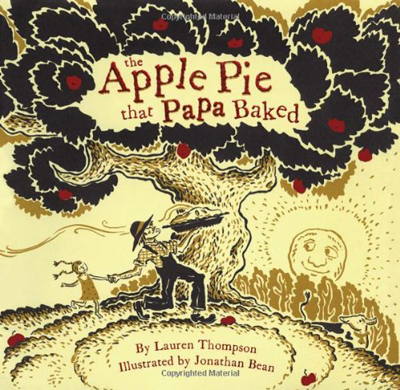
The Apple Pie That Papa Baked

- 그림작가 조나단 빈 ( Jonathan Bean)
- 글작가 로렌 톰프슨 (Lauren Thompson)
- 출판사 사이먼 앤 슈스터 북스 포 영 리더스 (Simon & Schuster Books for Young Readers)
- 페이지32 쪽
- 발행일2007-07-24
- 수상내역
책 내용
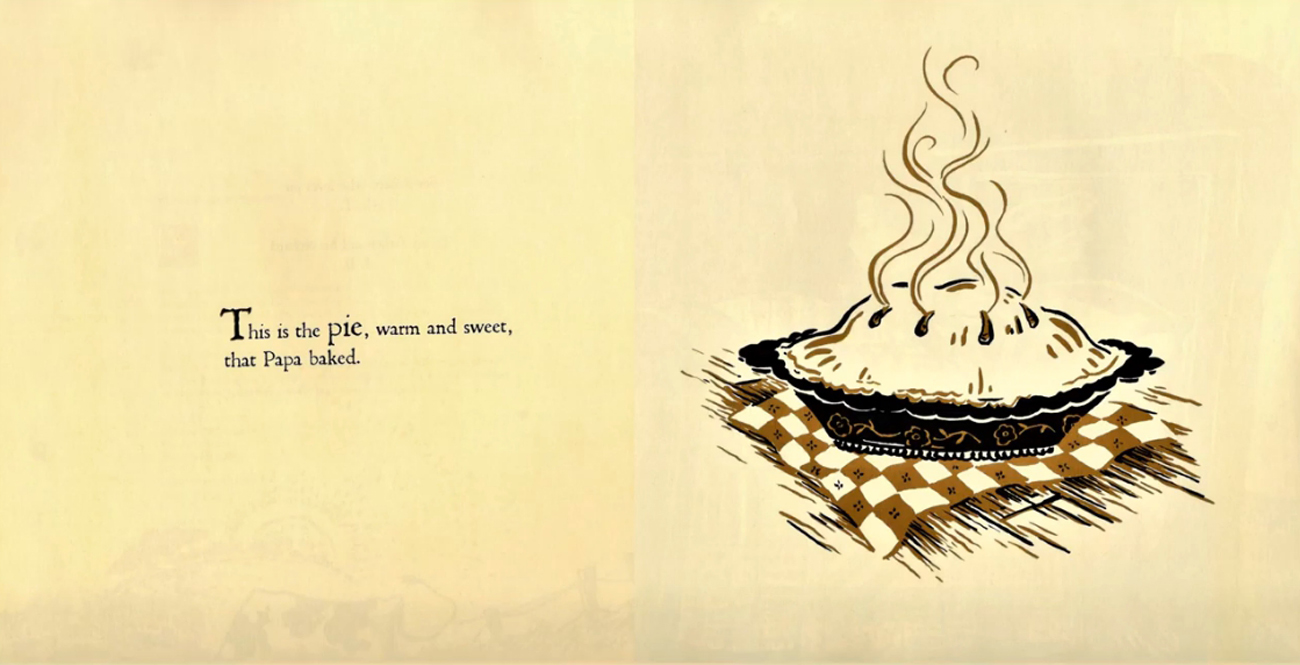
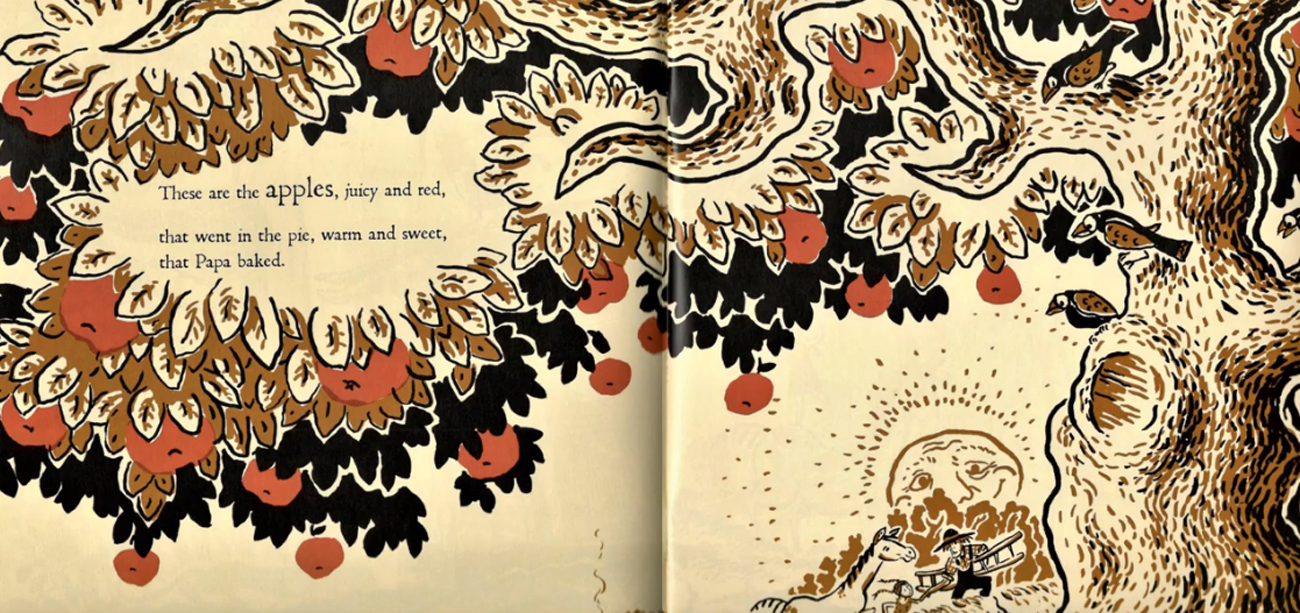
These are the apples, juicy and red,
that went in the pie,
warm and sweet,
that Papa baked...
for guess who!From
출판사 보도자료
School Library Journal
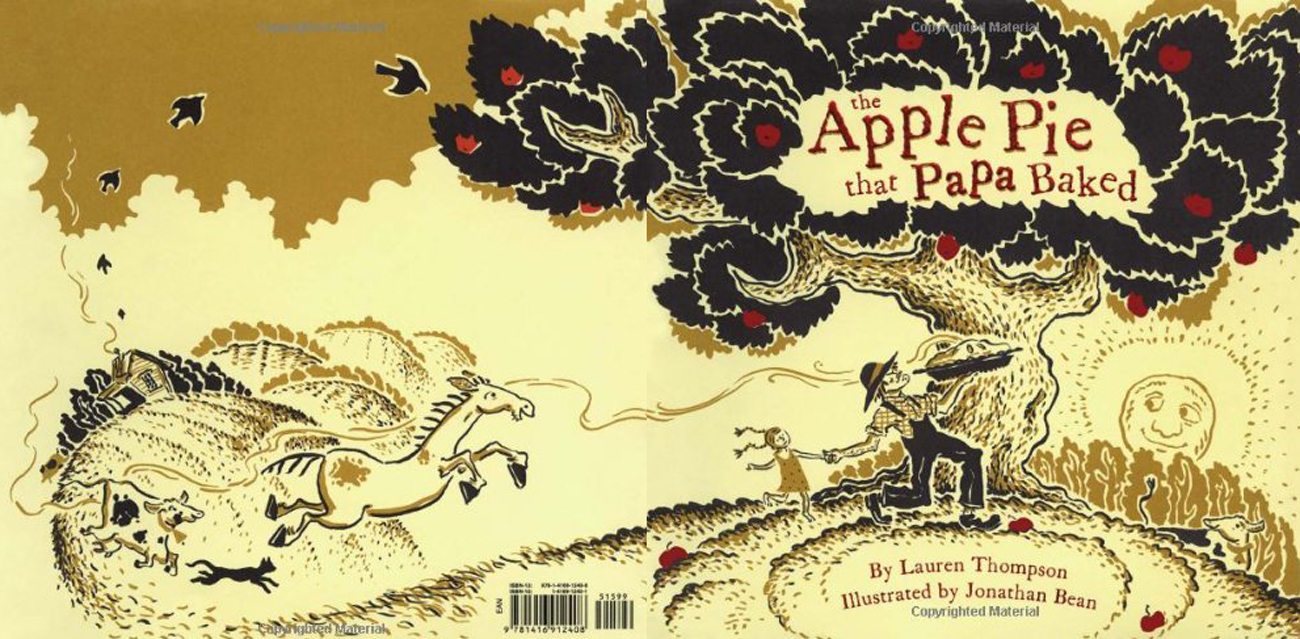
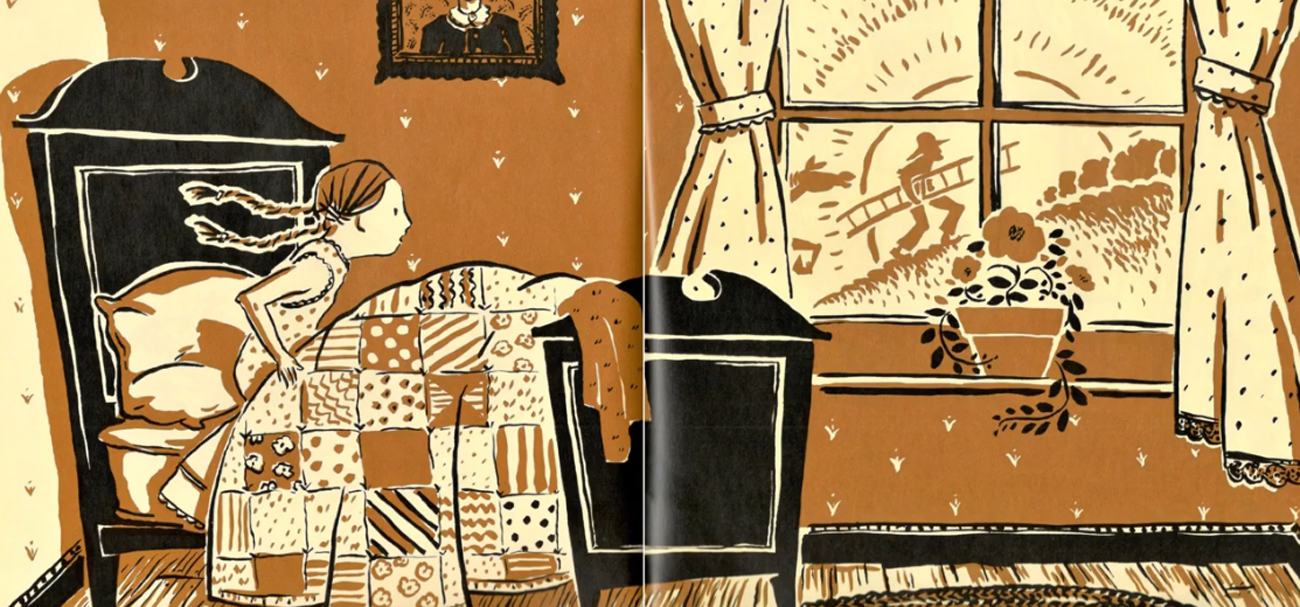
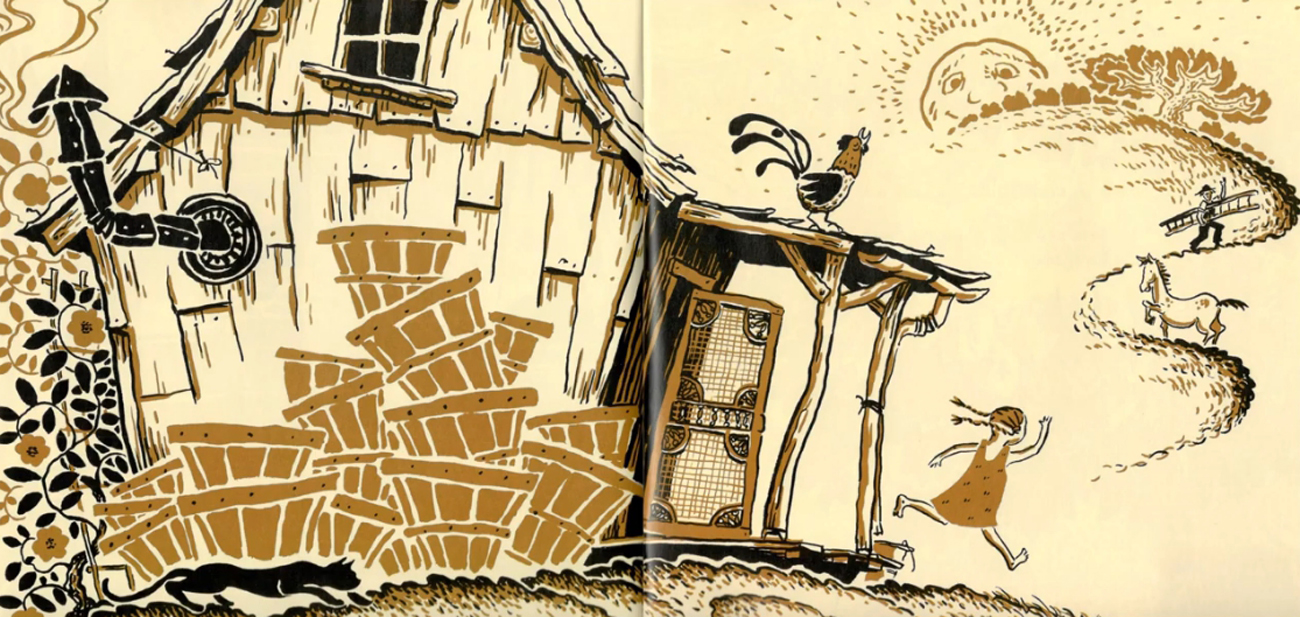
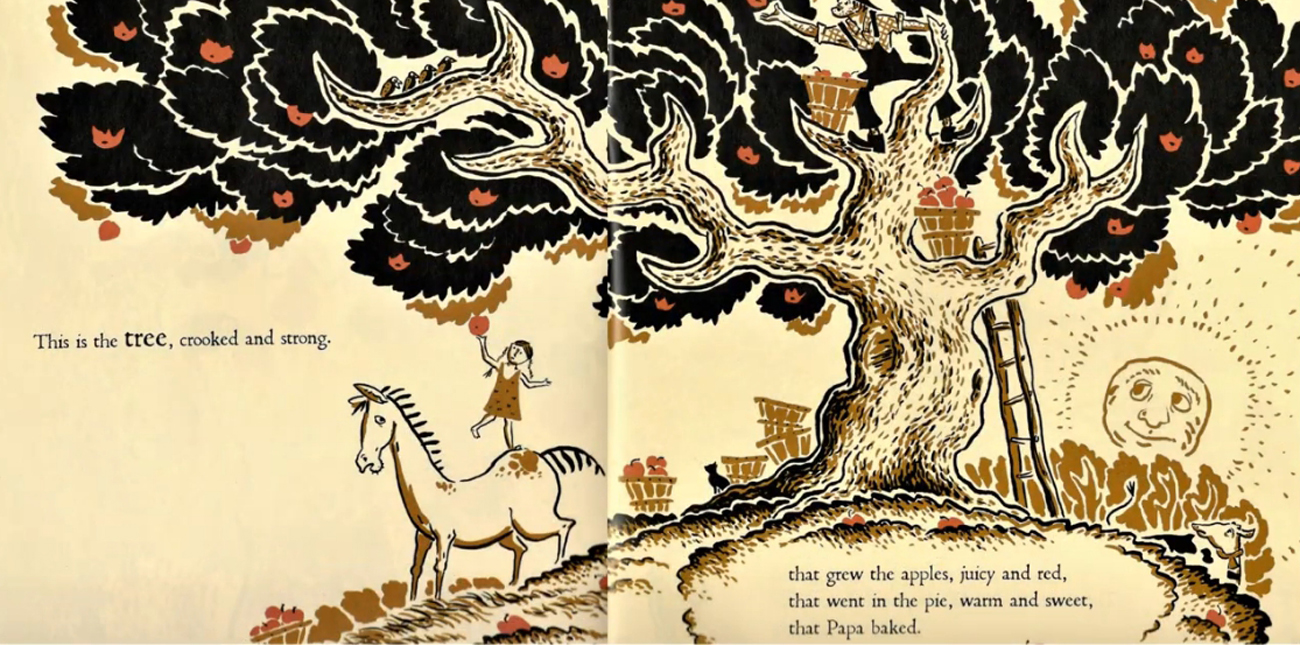
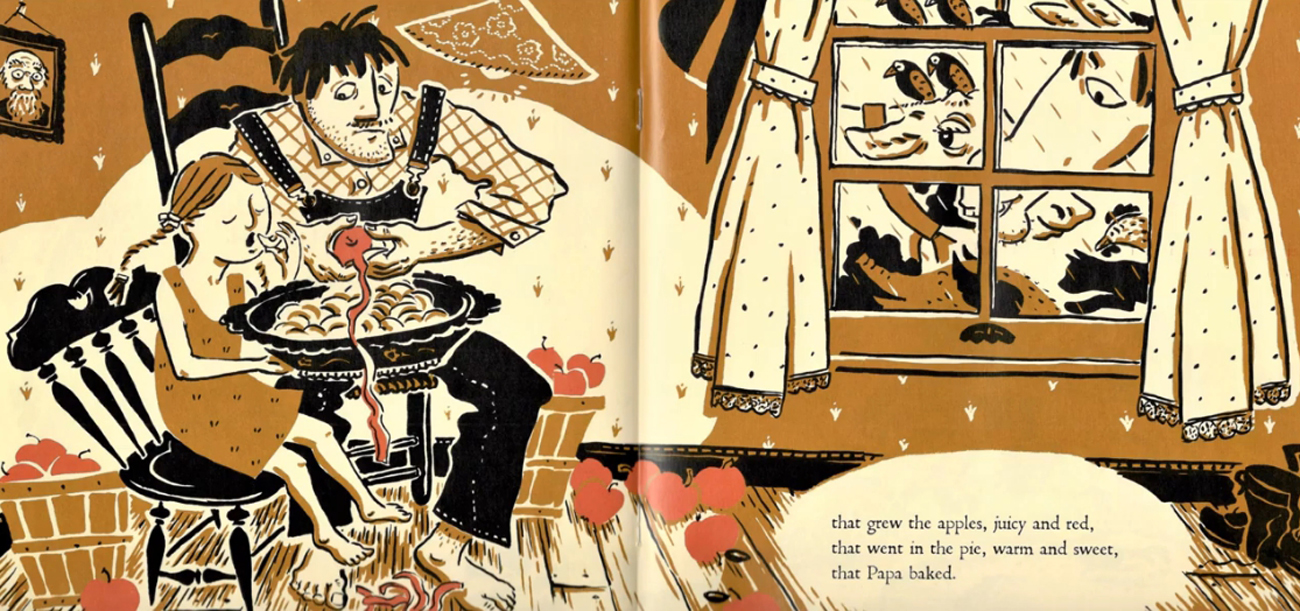
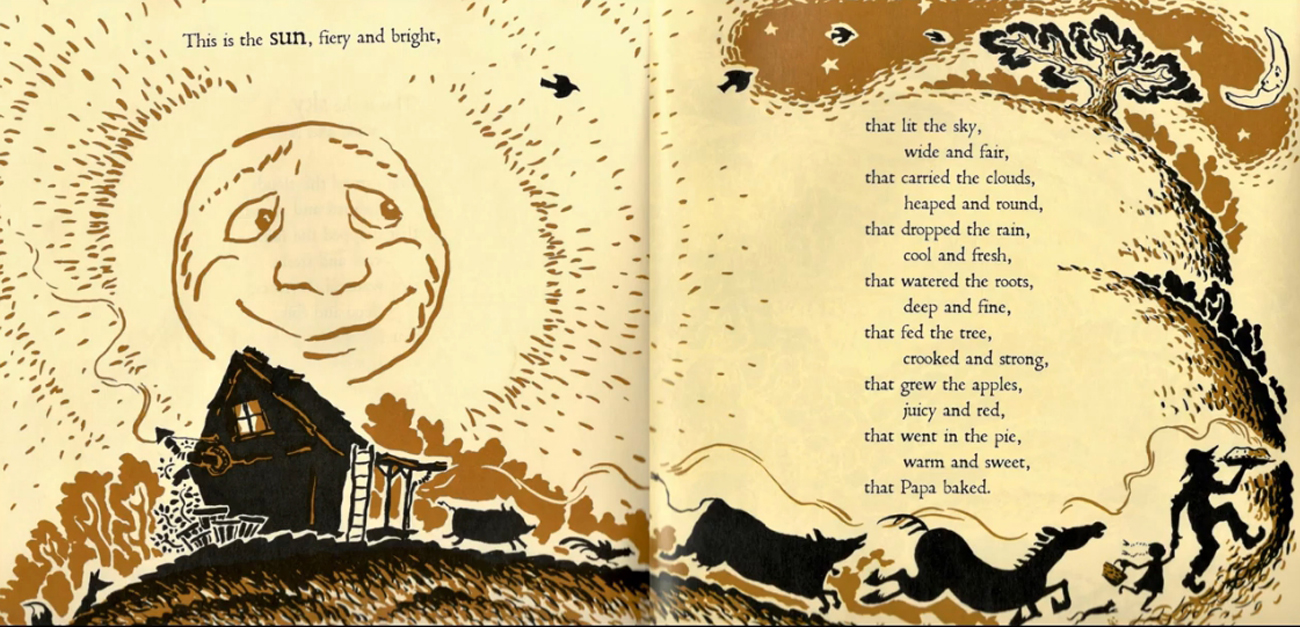
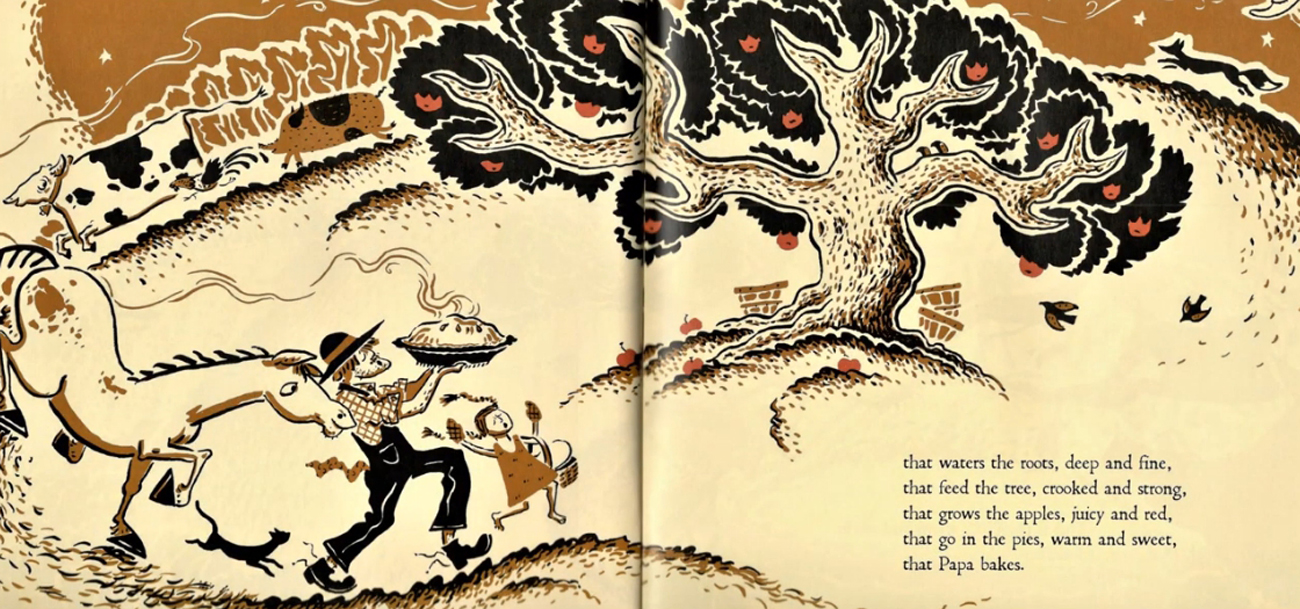
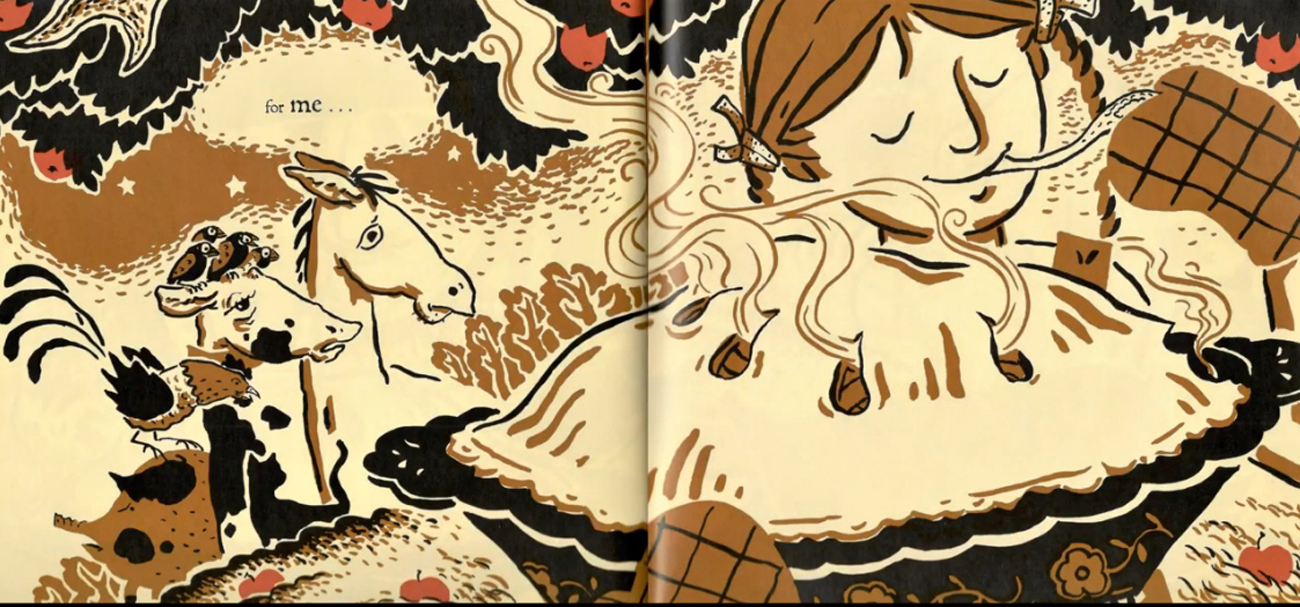
PreSchool-Grade 2—A father lovingly prepares a treat for his daughter in this charming story. The cumulative text begins with the apples ("These are the apples, juicy and red, that went in the pie, warm and sweet, that Papa baked") and then moves on to the tree that grew the fruit, its roots, the rain," the clouds, the sky, the sun, and finally the world ("blooming with life"). Bean's fine folk-style artwork complements the lyrical text. The illustrations were each drawn in black ink on three separate sheets of vellum, scanned into a computer, and recomposed and colored. They use only red, black, and yellow, and the simple palette and buff-colored pages make the images sharp and elegant. The pictures effectively and humorously move the story forward, depicting the activities of the characters and several tag-along farm animals as they pick the apples, prepare the pie, and head back to the tree for a picnic. While the text blossoms out to encompass the whole world, the illustrations focus on the homey setting and the affection shared by father and daughter, keeping the story grounded until its sweet conclusion. A delightful and engaging read.—Catherine Callegari, Gay-Kimball Library, Troy, NH
Copyright © Reed Business Information, a division of Reed Elsevier Inc. All rights reserved.
From Booklist
*Starred Review* The familiar cumulative tale "The House That Jack Built" receives a gentle, loving twist in this nostalgically illustrated story. The end is the beginning as a pigtailed girl introduces the apple pie "warm and sweet that Papa baked." Then moving backward, the girl runs from her ramshackle house out to the tree "crooked and strong," where shiny red apples are waiting to be picked. The roots, "deep and fine," feed the tree that grows the apples that go into the pie. Then the text becomes ever more expansive: rain waters the roots, clouds drop the rain, the sky carries the clouds, the sun lights the sky—until, finally, the world, blooming with life, spins around the sun and causes the natural wonders that result in one special pie. The text is dear, and it's well matched by delightful illustrations. Bean uses the best of old and new in artwork that harkens back to the works of Lois Lenski, Robert McClosky, and especially Wanda Gag. With dun-colored backgrounds and black-and-gold line work (occasionally brightened with red), the intricately detailed art is reminiscent of the time when picture books were rarely full color. In a brief note, Bean explains how he works: extensive drawing, then scanning into his computer, where he recomposes and recolors the images. The almost wordless concluding spreads, which picture father and daughter sharing the pie with their animal friends, exude love. Cooper, Ilene
일러스트레이터 소개
펜실베이니아에서 하이킹을 즐기고 새들을 관찰하고 풍경화를 그리며 행복한 유년시절을 보냈다. 2003년 뉴욕으로 이사해 뉴욕의 스쿨 오브 비주얼아트에서 석사학위를 받았다. 지금은 센트럴 파크 근처에 살면서 어릴 때와 마찬가지로 여전히 하이킹을 즐기고 새들을 관찰하며 꾸준히 그림을 그리고 있다.
2007년에 처음으로 혼자서 쓰고 그린 『한밤중에』를 펴냈으며, 이 책으로 2008 샬롯 졸로토 아너상과 2008 보스턴 글로브 혼북 상을 받았다. 또한 이 책은 뉴욕 공공도서관 선정 100권의 책, 퍼브리셔스 위클리 선정 ‘2007 최고의 어린이책’, 커커스 리뷰 선정 ‘2007 최고의 어린이책’으로 꼽히기도 했다. 그 밖에 그린 책들로는 『모키와 비크』 『아빠가 구운 애플파이』 등이 있으며, 『아빠가 구운 애플파이』로 에즈라 잭 키츠 신인 일러스트레이터 상을 받았다.